
TAKE INTO YOUR BUYING BRIEF
Three things to record
| Check | What to request |
|---|---|
| Report context | Vehicle, date, method and interpretation |
| History | Repair and replacement records where available |
| Support | Named provider and accepted diagnostic scope |
Identify the hybrid configuration
Request original powertrain information and a consistent vehicle reference. Different production periods may require different service information and diagnostic procedures. Avoid choosing a test simply because it was used on another Toyota hybrid.
The powertrain guide explains the HEV sourcing context. Keep the actual configuration beside the report so the receiving service provider can assess whether the evidence is relevant to the offered car.
Ask what the measurement means
Retain report dates, diagnostic method and the explanation of any health or capacity figure. A screenshot with a percentage may omit the information needed to interpret it. State of charge is not the same thing as remaining battery health.
Where comparisons use different tools or methods, have an appropriate reviewer establish whether the results are comparable. Do not turn apparent numerical precision into an unsupported promise of remaining life or future repair expense.
Review history and current observations
Ask for available records of hybrid-system repairs, replacements and warning investigations. Link them to current inspection findings. A replacement record should identify what was replaced and what supporting documentation is available.
Qualified personnel should review accessible components and relevant operating data within the agreed scope. Do not ask unqualified people to open high-voltage equipment. The general inspection guide keeps battery evidence within a broader vehicle-condition review.
Include service support in the decision
Identify who can diagnose and support the offered hybrid at the destination. Ask for the scope accepted by that provider rather than relying on a general statement that Toyota parts are common. Keep any offered warranty or service commitment attributable to its issuer.
The running-cost guide includes support and uncertain expenses in the ownership discussion. An inspection informs acceptance at a point in time; it is not a guarantee that no future component will require attention.
If work was performed after the original report, ask whether the provider recommends a follow-up assessment. Record the relationship between the earlier finding, the work and any later result instead of combining them into an undated summary.
Example: two different battery summaries
One offer includes a dated diagnostic report with a method and vehicle reference. Another includes only an unlabeled percentage. Request context for the second before comparing the cars. If comparable evidence is unavailable, retain that difference in the purchasing review. The buyer can then request further assessment or consider another candidate instead of treating two differently produced numbers as an objective ranking.
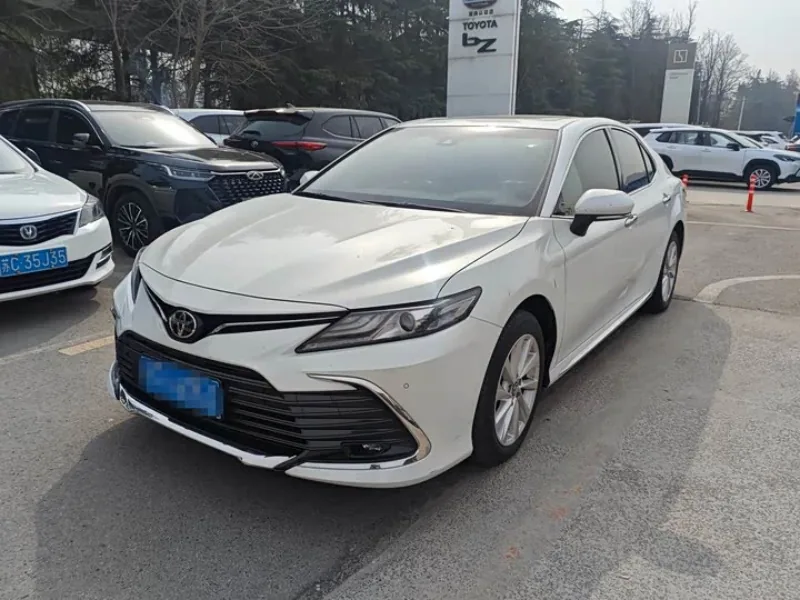
Model references: GAC Toyota Camry (China), China configuration sheet (PDF), and Toyota’s US 2025 Camry brochure (PDF). Market-specific information must be matched to the offered vehicle.