
TAKE INTO YOUR BUYING BRIEF
Three things to record
| Check | What to request |
|---|---|
| Identity | Match records and inspection to the same car |
| Scope | Record access, method and limitations |
| Follow-up | Retain both findings and completion evidence |
Connect the records to one vehicle
Start with a consistent vehicle reference, production information and declared mileage. Compare available service and registration records for unexplained differences. Request clarification before treating a summary supplied by a seller as verified history.
The condition guide explains the role of individual evidence. A missing record should be described as missing; it should not silently become a clean-history claim. Keep original findings with any translated summary.
Separate cosmetic and structural questions
Ask for dated photographs in useful light and an appropriate examination of accessible body and underbody areas. If paint readings or repair observations are supplied, retain their location and method. A single number without context does not establish the repair history.
Have qualified personnel interpret damage or alignment concerns within the inspection scope. A remote buyer should not diagnose structural integrity from an isolated picture. Record limitations where trim, access or working conditions prevented a planned check.
Observe operation within an agreed scope
Include controls, warning indications, climate operation and the features essential to the customer. If a road observation is commissioned, document conditions and findings. A short drive cannot guarantee the absence of every intermittent issue.
Identify the engine and transmission before interpreting behaviour. The powertrain guide helps distinguish petrol and hybrid questions. Keep fault-code records and follow-up work rather than presenting a cleared warning as the entire result.
Resolve findings before handover
Mark each concern as requiring clarification, further assessment, agreed preparation or acceptance under explicit terms. Preserve the initial finding and the completion evidence. Do not remove the original concern simply because a seller reports that it was addressed.
The handover guide connects the final inspection record to dispatch photographs and supplied items. If the vehicle is replaced or materially changed after inspection, reconsider which parts of the evidence remain applicable.
For several vehicles, ask for separately identified reports even when one inspector handles the batch. Photographs and findings should be attributable to an individual unit rather than filed only beneath a shared order name.
Example: a reassuring photograph, an open question
A seller provides a clean dashboard image, while a report records an earlier warning that still lacks follow-up evidence. Ask what was investigated and obtain the relevant result. Keep the question open if no adequate record exists. A clear file lets the buyer decide whether further assessment is justified without treating one later photograph as proof that the original concern has been resolved.
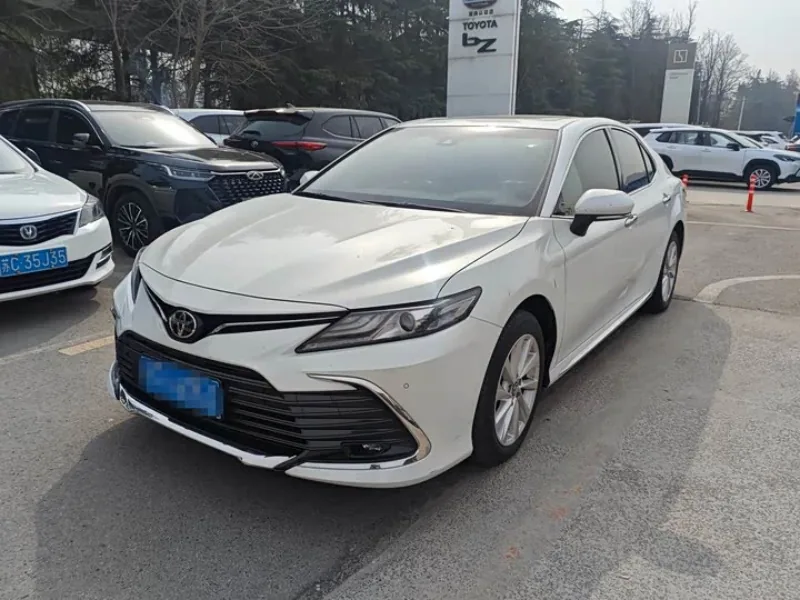
Model references: GAC Toyota Camry (China), China configuration sheet (PDF), and Toyota’s US 2025 Camry brochure (PDF). Market-specific information must be matched to the offered vehicle.