
TAKE INTO YOUR BUYING BRIEF
Three things to record
| Check | What to request |
|---|---|
| Distance | Dated records and unexplained gaps |
| Preparation | Due service versus diagnosed repair |
| Acceptance | Current findings and completed work |
Build a mileage timeline rather than a snapshot
Request dated service, inspection and available ownership records, then compare their distance readings in sequence. A current dashboard photo establishes what was displayed at that moment, not the complete history. Ask for clarification where dates or readings conflict, and retain gaps rather than filling them with an assumed annual driving distance.
Check whether the records belong to the same vehicle and whether the reported distance uses the expected unit. Administrative errors can occur, but a convenient explanation is not evidence. The buyer should know what supports the mileage claim before using a lower displayed number to justify a higher price.
Understand how the distance accumulated
Ask about known private, company, rental or passenger-service use. These descriptions help direct the inspection, but none establishes condition by itself. A longer-distance car with clear maintenance may be easier to assess than a lower-distance candidate with incomplete records and unknown working conditions.
The fleet and taxi history guide addresses previous commercial use separately. Do not diagnose that history solely from polished controls or a worn seat. Combine documented use with an inspection of the actual interior, body and mechanical systems, keeping confirmed facts separate from clues that require further explanation.
Separate service due from faults found
Have an appropriate workshop compare available maintenance records with the correct schedule and use conditions. Identify work already documented, work currently due and items whose status cannot be established. A round odometer number does not justify automatically replacing a long list of components without considering the actual application.
Keep corrective repairs on a separate list with the associated finding or diagnosis. A routine service package may not resolve a leak, warning or operating complaint. This separation makes quotations easier to compare and prevents the phrase fully serviced from being treated as proof that every inspection concern has been closed.
Review the selected powertrain individually
For a petrol candidate, obtain the relevant engine and transmission assessment. For a hybrid, include the hybrid system within the agreed inspection scope rather than assuming ordinary engine servicing covers it. Record who performed the review and the conditions or limitations affecting the conclusion.
The hybrid battery evidence guide explains how to interpret the report without inventing a remaining-life percentage. High mileage alone does not establish battery replacement, and a favourable battery result does not certify the engine, brakes or body. Keep each system’s evidence visible instead of compressing the whole car into one reassuring score.
Inspect wear where the customer will notice it
Review seats, controls, door operation, suspension observations, tyres and other condition items within an appropriate professional inspection. Compare findings with the intended use. An airport-transfer customer may place particular importance on rear-seat comfort, cabin presentation and luggage access, while another buyer may accept cosmetic wear for a lower purchase amount.
Separate appearance work from structural or mechanical concerns. Fresh upholstery or newly fitted tyres can improve presentation without establishing the history beneath it. Ask whether preparation was performed and why, and retain before-and-after findings where available so the dealer can accurately describe the finished candidate.
Compare the cost of a ready candidate
The running-cost planning guide distinguishes acquisition, immediate preparation and later operation. Add the agreed current work to the vehicle quote and keep uncertain repairs conditional. Do not use a small general contingency as though it were a professional quotation for an unresolved concern.
For example, compare a higher-priced car with documented recent work against a cheaper car whose maintenance and inspection are incomplete. The difference cannot be judged solely from the advertised amount. First identify what each offer includes, what remains to be assessed and what evidence will establish completion before the buyer accepts it.
Set a practical mileage acceptance policy
Tell Panda the preferred mileage band, acceptable documented use and the evidence required outside that band. A flexible request can consider suitable higher-distance candidates without abandoning inspection standards. If the customer has a strict limit, retain it explicitly and do not replace it with an informal assurance about the model’s reputation.
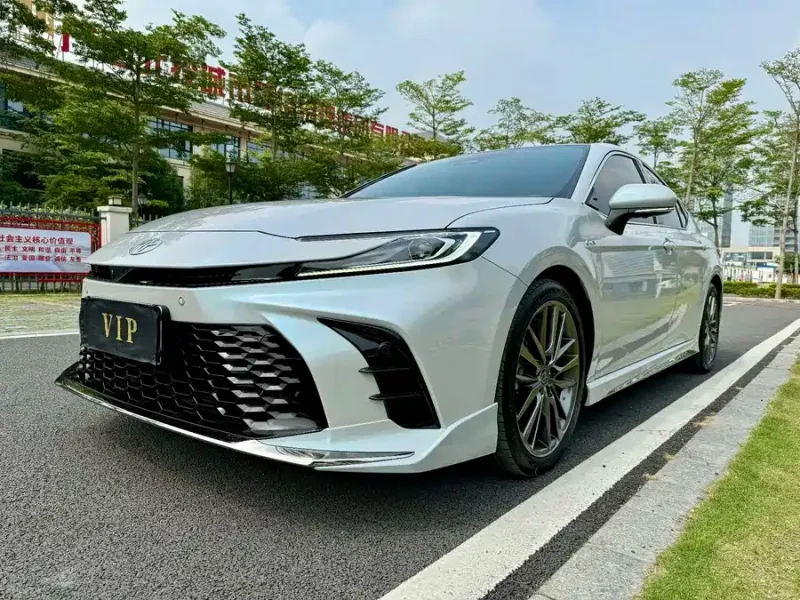
At selection, keep the recorded mileage date beside the final inspection and preparation summary. Recheck material changes before handover. The customer should understand why this particular Camry meets the requirement; neither a famous reliability reputation nor a reading below 100,000 km should stand in for that individual decision.