
TAKE INTO YOUR BUYING BRIEF
Three things to record
| Check | What to request |
|---|---|
| Market | Use the correct regional specification |
| Requirements | Compare verified functions on both candidates |
| Status | New-car evidence and used-car history separately |
Use labelled model-year references
The US launch chronology helps identify what an English advertisement may mean by eighth or ninth generation. It does not turn the first-registration year into a redesign date or establish the production schedule in another market. Ask the seller for the original source-market designation and manufacturing information before accepting the shorthand description.
Keep the generation timeline beside those records. A 2025 label in a message might describe a US model year, a China-market sales description or a registration date. Clarify which one it means. This small distinction prevents a buyer from comparing vehicles under an apparently common year label while their actual specifications belong to different contexts.
Verify powertrain before comparing the redesign
Toyota’s ninth-generation US announcement specifies a hybrid-only range. Use that statement within its US scope. Do not treat it as proof that every Camry offer worldwide has the same engine, drivetrain or equipment. Request the applicable China configuration sheet for the selected candidate and keep any older petrol alternative identified separately.
The powertrain guide helps compare both routes against the customer’s ordinary use. A buyer might accept either engine type but require a particular cabin function and clear service support. Another may insist on an HEV. Define that choice explicitly instead of letting a generation label conceal an important powertrain difference or turn a regional launch claim into a global rule.
Separate styling from verified equipment
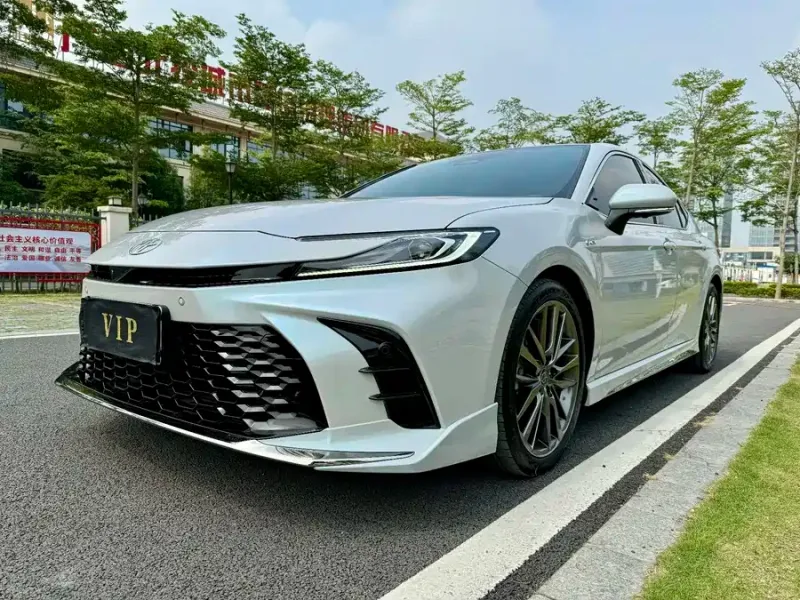
Review current exterior and cabin photographs with the vehicle reference visible in the supporting record. A newer-looking grille or aftermarket screen is not a complete specification. Ask for normal operation of essential features and record whether each is fitted, separately added or still unverified. Equipment can differ within a generation as well as between generations.
For phone use, the China Camry CarPlay review separates a specific connection demonstration from a general claim about the screen. Do not use a US feature list to promise the same software experience on a China-market car. The accepted description should follow the installed setup and the buyer’s demonstrated task, including any accessory required to achieve it.
Compare cabin and luggage in normal use
Set the seats for the intended occupants and ask both candidates to carry the same luggage or provide equivalent useful measurements. A redesign may change presentation, but a customer’s rigid case still has to pass through the actual opening. Seat-folding equipment and usable access need their own checks rather than being inferred from a body-style photograph.
Use the boot and luggage-fit guide for that narrower task. If one demonstration folds seats while the other keeps passengers aboard, the results answer different questions. Record the normal arrangement the customer accepts. Practical fit, condition and equipment should remain visible even where one vehicle is advertised as a newer generation with a more impressive feature list.
Keep new and used evidence appropriate
For a new candidate, establish production and registration status, storage or preparation history and completed delivery checks. For a used alternative, add individual mileage continuity, service records, disclosed repairs and current inspection findings. A later generation does not make a used car new, and low mileage alone cannot establish documentary status.
The condition acceptance checklist helps compare those routes without losing the shared requirements. Keep each candidate’s original findings and completion evidence. If a seller proposes a replacement, verify it again. Approval of one later-generation example does not certify every car with the same badge, colour or advertised trim name.
Explain the premium with concrete differences
Compare purchase price, immediate preparation, included items and the delivery stage on one basis. Ask which verified later feature or accepted status justifies any additional amount for the buyer. Fuel-cost estimates need the same journey assumptions and should remain separate from a promise of resale value or future repair savings.
The quotation guide makes those lines easier to compare. A customer may value a confirmed newer function, while another prefers an earlier unit with clearer history and a lower finished cost. Preserve the reason for the choice and the evidence behind it. That produces a usable eighth-versus-ninth-generation decision without claiming that a redesign alone establishes the best offer.
Relevant references: Toyota USA: eighth-generation context, Toyota USA: ninth-generation US announcement. References describe their stated market or technology; verify the offered vehicle separately.