
TAKE INTO YOUR BUYING BRIEF
Choose the next action
| Finding or requirement | Purchase response |
|---|---|
| One favourable fuel figure dominates | Retain its conditions and the buyer's actual occupied routine. |
| A recurring load was not demonstrated | Assess it or preserve the requirement pending. |
| Assistance is valued for the journey | Verify the wanted supported method without removing driver responsibilities. |
Describe the recurring longer trip
Write the normal journey and the limiting recurring occasion, with actual users and luggage. The passenger framework retains occupied use rather than a convenient empty-cabin demonstration. A rare exception can influence the brief when it is essential, but it should not quietly replace the ordinary task used to compare otherwise suitable offers.
Ask which position, function or stop routine determines acceptance. Comfort needs a personal assessment within the represented conditions; a short clip cannot prove sustained suitability for every occupant. Keep any remote limitation explicit rather than allowing a general comfortable-sedan description to guarantee the buyer's longer journey or treat every driver of similar height as having identical needs.
Keep the driver and passengers together
Fix the regular driver's position through the rear assessment. The driver-position decision matters when front needs constrain the room left for others. Separate favourable images using incompatible settings cannot prove one simultaneous occupied arrangement, even if every passenger appears comfortable in the individual photograph selected for them.
Retain the actual users represented and any unanswered personal question. The adult rear-place review adds a recurring travel perspective. A useful seat function can earn value when it serves the journey, but its presence does not approve every travel setting or justify bypassing applicable seat and restraint instructions to produce more appealing demonstration media.
Carry the real load and ordinary stop items
The boot task review identifies the regular cases and the actual opening, useful space and closure. Keep required passenger places occupied during assessment. A generous folded area can illustrate another task without proving the seats-in-use journey, and a capacity figure cannot establish the handling of a particular awkward bag.
Ask which items need retrieval at a usual stop and how the buyer loads them at representative parking. Appropriate luggage restraint remains part of the actual task; an attractive loosely arranged photograph is not a complete journey result. If the limiting load is unrepresented, retain it pending rather than automatically approving the car from an easier demonstration.
Use relevant fuel evidence and assumptions
The running-cost guide keeps route, fuel input and calculation scope explicit. Apply observations appropriate to the identified powertrain and buyer's planned routine. A city record or another driver's favourable highway trip should not be converted into a guaranteed result for a differently loaded car, climate or operating pattern.
For the hybrid candidate, retain its actual application rather than assuming one universal economy outcome from the badge. The powertrain review keeps the operating and support proposition separate. A reasonable budget can remain useful with labelled uncertain inputs; it does not need an invented universal distance or saving to help the customer compare the two actual offers.
Retain useful equipment and current condition
Demonstrate the phone, seat and assistance methods that matter under appropriate ordinary conditions. The assistance value review keeps supported functions and driver responsibilities explicit rather than crediting a hardware label with every capability. A working method should remain distinct from receiving-user access and a complete assessment of the proposed car.
The maintenance record review connects completed work with relevant current findings. Ask appropriate providers about assessed needs and remedies rather than promising uninterrupted support everywhere the route passes. A useful itinerary cannot certify vehicle health, just as a favourable inspection cannot guarantee every future running cost or the customer's preferred service arrangement at all destinations.
One holiday load limits the normal arrangement
Suppose the usual trip works but a recurring holiday adds a bulky case while all required places remain occupied. Assess that actual load and its accepted alternative separately. Folding an essential place changes the task; it should not be presented as proof that the original passenger-and-luggage request is already fulfilled.
Keep the accepted seating, load, stop and operating assumptions with the candidate reference. If another unit is proposed, repeat the affected configuration and condition questions. Similar advertised fuel economy or equipment cannot transfer approval from the car whose actual journey task and preparation the customer reviewed.
Questions buyers ask
Does highway reputation prove long-trip comfort?
No. Assess actual users, positions, bags and observation limits.
Can city fuel records guarantee a highway result?
No. Keep relevant route, load and calculation assumptions explicit.
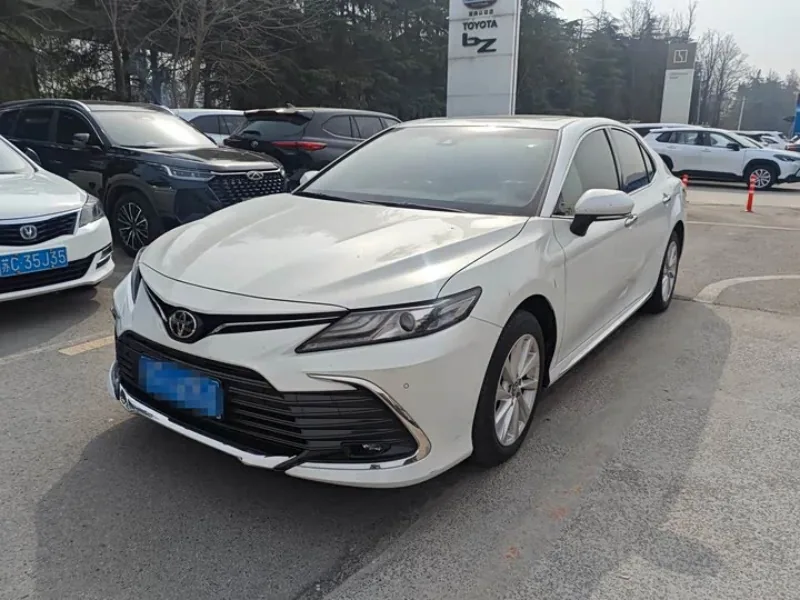
Model references: GAC Toyota Camry (China), China configuration sheet (PDF), and Toyota’s US 2025 Camry brochure (PDF). Market-specific information must be matched to the offered vehicle.