
TAKE INTO YOUR BUYING BRIEF
Choose the next action
| Finding or requirement | Purchase response |
|---|---|
| Height is the only fit rule | Assess actual posture, access, visibility and wanted adjustment. |
| Front and rear settings conflict | Retain one combined arrangement for the relevant journey. |
| The actual driver is absent | Keep personal-fit limits and necessary further assessment explicit. |
Describe the actual driving-position needs
Ask about normal posture, preferred adjustment and the driving task rather than using height as a single acceptance threshold. Keep the regular front passenger and rear users in the brief. The occupied cabin guide prevents a good solo position from automatically approving a different journey involving other essential occupants.
Separate must-have requirements from an interest in optional convenience. If the real driver cannot assess the candidate, retain what representative evidence can establish and what remains a personal question. A remotely promising arrangement can remain under consideration without turning another person's demonstration into a universal fit promise or crediting exterior proportions with a position that has not been achieved on the actual car.
Identify actual adjustment equipment
The period and equipment review ties supported functions to the original configuration. A translated tier, visible switch or overseas specification should not establish every adjustment on the offered China candidate. Keep applicable records, actual controls and unit identity together before assigning a benefit to a long comfort-package description.
Request relevant ordinary movement under the applicable instructions, with the setup and response clear. Fitted presence and useful operation are separate observations. One successful adjustment cannot approve every function or the full condition of the mechanism, but it can answer a specific task when the achieved position and remaining personal limitations are recorded honestly.
Assess useful position and ordinary access
Retain the driver's achieved posture and relevant visibility observations, not a staged position chosen solely to maximise one gap. Personal comfort and practical use should determine the assessment. The seat-benefit decision keeps the wanted movement separate from unrelated optional modes that may make a package appear more valuable without resolving the essential position.
Review entry and exit in representative parking as well as sitting in place. A favourable position inside does not establish convenient movement through a restricted door opening outside. Keep the represented person, surroundings and observation limits explicit rather than declaring the car approved for every garage or ordinary routine because a seller can show one comfortable-looking seated photograph.
Retain the rear-passenger requirement
The adult rear journey review fixes the driver's normal setting while the relevant passengers are assessed. Do not create a persuasive rear image by moving the driver into an unacceptable position, or combine separately favourable photos into a simultaneous-fit result that the actual settings cannot support.
If different drivers use the car, retain their relevant routines independently. A suitable solo position for one user can leave another household journey unresolved. The customer may accept a defined change, but it should be stated explicitly rather than inferred from a general large-sedan description or quietly priced away through the attraction of other cabin features in the offered package.
Keep seat condition and preparation visible
Obtain relevant findings, disclosed work and suitable examination of reported control or mechanism concerns. The condition framework keeps current scope separate from media appearance. A clean surface and working movement do not establish a complete passenger-area assessment, and a future seller promise should not be treated as the supported result already delivered.
The commercial comparison aligns preparation, supplied items and transfer stage. Value useful adjustments within that complete scope rather than through a universal option premium. If the position remains untested for the driver, keep the limitation in the decision; an appealing amount cannot establish personal suitability or remove an essential requirement without the customer's accepted alternative.
A useful front position constrains the family task
Suppose the driver achieves a suitable position but the regular rear user's requirement has not been assessed behind it. Retain the front result and request the actual combined arrangement. A separate rear photograph under another setting does not supply the missing evidence, even when both images appear individually spacious and comfortable.
If the family accepts a revised routine, record its positions and limitations alongside the candidate reference. The garage-use decision reviews another access constraint separately. A replacement with a similar trim name needs its own adjustment, passenger and condition review before it inherits the original driver's approval.
Questions buyers ask
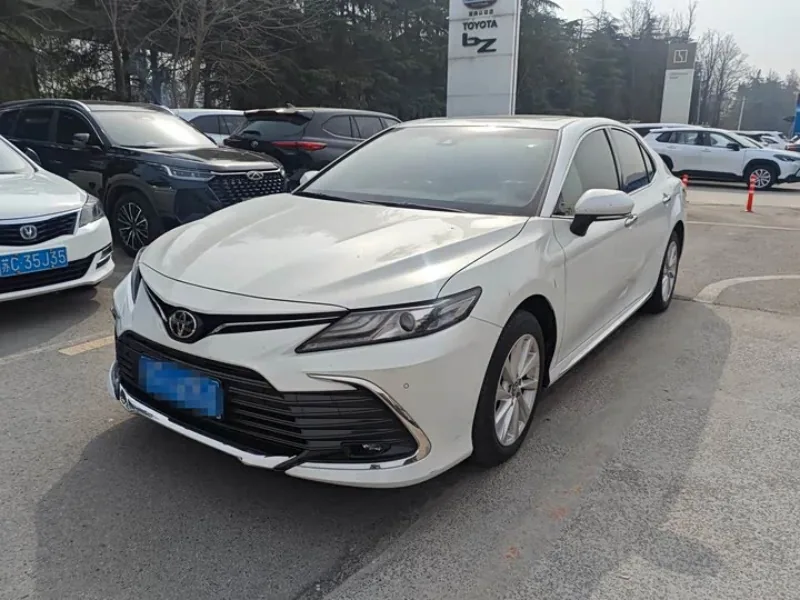
Can height alone determine Camry suitability?
No. People of similar stature can need different positions and movements.
Does a working adjustment certify seat condition?
No. Preserve relevant findings and the scope of the observation.
Model references: GAC Toyota Camry (China), China configuration sheet (PDF), and Toyota’s US 2025 Camry brochure (PDF). Market-specific information must be matched to the offered vehicle.