
TAKE INTO YOUR BUYING BRIEF
Three things to record
| Check | What to request |
|---|---|
| Year context | US reference points versus actual source-market production |
| Specification | Correct powertrain, fitted equipment and update period |
| Value | Condition, preparation and support beside purchase price |
Confirm which vehicles the comparison describes
Ask each seller for production information, original model designation and first-registration date. Keep those fields separate. A later registration can belong to an earlier production specification, while a translated trim name may refer to equipment that differs from the familiar overseas version. Assign a candidate reference so the comparison stays tied to the two cars actually offered.
The Camry generation and year timeline provides the broader chronology. Use its US dates as labelled reference points, then check the source-market records. Avoid assuming an advertisement’s seventh or eighth generation description settles every equipment question. If the seller changes the proposed unit, retain the replacement separately and repeat the checks that depended on the original car.
Understand the redesign without promising every feature
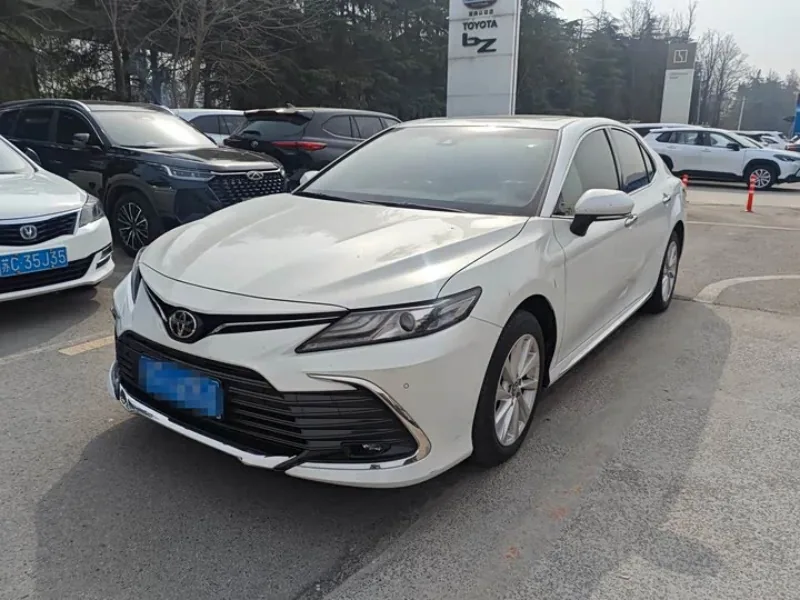
Toyota’s US eighth-generation introduction describes TNGA packaging and new powertrain choices. That provides context for the redesign, not a universal equipment certificate for every China-sourced Camry. Ask which relevant changes are present on the offered version and what evidence supports them. A manufacturer launch summary can establish model history while an individual specification establishes the purchase.
Separate a complete generation change from a later styling or equipment update within a generation. Similar-looking bumpers, replacement lights or an aftermarket display cannot prove the original specification. Request the actual records and current photographs. The buyer should be able to explain which difference affects the decision, rather than paying a premium only because one advertisement presents a more recent-looking front end.
Compare the correct petrol or hybrid configuration
Identify each candidate’s engine, transmission and hybrid status before comparing fuel claims or workshop costs. Two Camrys from different generations may also have different powertrains, so the observed difference cannot automatically be attributed to generation alone. Keep source-market configuration information beside any historical overseas launch reference used to frame the discussion.
The petrol and hybrid comparison directs the appropriate evidence request. For a hybrid candidate, include the actual hybrid-system assessment. For a petrol one, obtain the relevant engine and transmission findings. Do not transfer one car’s inspection conclusions to the other because the model name is shared. A better equipment description cannot replace the individual technical review.
Test the cabin functions that matter to the customer
Make a short must-have list for seats, rear passenger use, phone connection and luggage. Ask both sellers to demonstrate the same tasks, with the actual unit identified. A newer-generation brochure may list functions that are optional, market-dependent or changed during later updates. A clean photograph shows presentation but does not establish normal operation of every control.
Keep any aftermarket equipment visible. A replacement head unit might satisfy a phone requirement but still differ from the original feature set, support route and delivered accessories. Use the trim and equipment checklist to record confirmed, absent and unverified functions. This lets the buyer compare useful outcomes rather than assuming the later generation wins every cabin requirement.
Read age and mileage through individual evidence
Review service continuity, disclosed previous use and inspection findings for each car. An older vehicle may have documented completed work, while a newer one may have an incomplete history. Neither scenario can be resolved from age alone. Ask for the evidence that explains present condition and any preparation needed before acceptance.
The high-mileage buying review places distance beside service records and current findings. A lower odometer reading is meaningful only within its documented context. Keep cosmetic work, routine service and corrective repair separate. The comparison should show what each seller has established, what still needs assessment and which work is included in the quoted amount.
Compare the finished offers on one basis
Add agreed immediate preparation to the vehicle price and identify support, accessories and delivery scope. Do not compare an unprepared cheaper car with a fully documented finished offer as though the price lines cover the same purchase. Keep unresolved items conditional instead of hiding them inside a small generic allowance.
For example, a customer may prefer a seventh-generation candidate with complete records and demonstrated essential functions over an eighth-generation car whose history is unclear. Another customer may require a confirmed later feature and reject the earlier offer. Record which requirement drives the choice. The final decision should explain the value of the actual cars, without claiming that either generation is universally the best used purchase.
Relevant references: Toyota USA: seventh-generation introduction, Toyota USA: eighth-generation introduction. References describe their stated market or technology; verify the offered vehicle separately.