
TAKE INTO YOUR BUYING BRIEF
Choose the next action
| Finding or requirement | Purchase response |
|---|---|
| Comfort reputation drives the preference | Assess the actual people and occupied arrangement. |
| English designation hides original context | Retain source-market records before transferring specifications. |
| Preparation is not equivalent | Compare the accepted current result and supported completion scope. |
Keep original identity with both quotations
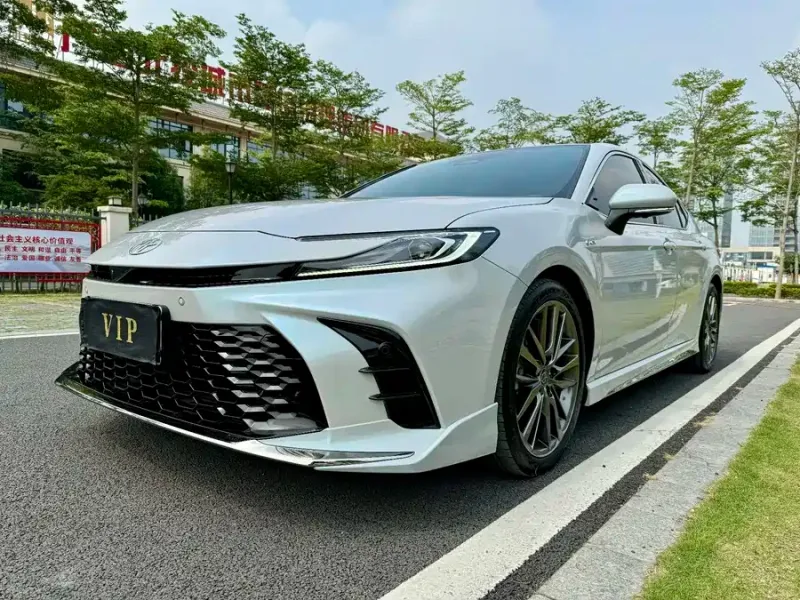
The Camry period review establishes this side of the shortlist. Request the Nissan candidate's original model description, production context and applicable configuration independently. The seller's English name should remain connected to that record instead of replacing distinctions that may matter to the actual installed system or cabin equipment.
Attach photographs, findings and amounts to the individual references. A current manufacturer presentation cannot automatically describe an earlier proposal. Nor should a familiar regional alias allow features from another market to migrate into the quoted unit's specification. Keep missing fields pending until useful records identify what the buyer is actually comparing.
Make comfort a passenger task
Record the regular driver and rear occupants, with normal front positions held during assessment. The occupied cabin guide keeps simultaneous use explicit. A tidy seat photograph or a general comfortable-sedan label cannot establish entry, useful position and sustained comfort for every person the customer intends to carry.
Use consistent tasks across both cars and preserve the limitations of remote assessment. The rear adult decision adds a recurring journey perspective without claiming that one observation proves every user's fit. If the actual passenger cannot assess the candidates, retain that question instead of converting another person's favourable demonstration into an unrestricted comfort recommendation.
Review the actual operating proposition
The Camry powertrain framework retains fitted combination and support, rather than a generic category. Identify the Nissan arrangement separately before discussing routes and operating costs. Similar transmission wording or a broadly familiar badge cannot establish equivalent mechanisms, maintenance needs or provider capability for every version offered under the model names.
Keep fuel records within their stated conditions and use the customer's relevant inputs. An unlike route or seller estimate should not establish a universal economy ranking. The highway task review can clarify longer travel separately. Candidate health remains another question; a plausible operating budget cannot approve unexamined condition or guarantee every journey result.
Test useful equipment rather than a reputation
Ask which seat, phone and parking functions matter daily and obtain ordinary evidence from both candidates. A current Teana screen presentation does not establish an earlier car's fitted method. The seat-value decision distinguishes useful adjustment and supported operation from appealing appearance or an assumed higher package tier.
Retain receiving-user requirements and relevant provider answers. A familiar interface or working seller demonstration should not be presented as unrestricted continued access. If the buyer accepts a different method, write that change explicitly. Extra audio or display features cannot silently compensate for a required function that remains unavailable or unconfirmed in the actual proposed car.
Compare complete current offers
Use relevant individual histories and appropriate current findings for used cars, and supported status and delivery scope for new proposals. A successful short operating observation is not a full vehicle assessment. Preserve disclosed work, outstanding questions and the responsible remedy rather than assuming that either model's reputation approves every candidate bearing its name.
The commercial comparison aligns currency, preparation, supplied items and handover stage. Explain what the customer receives for any premium or saving. Avoid blanket durability, resale or repair-cost statements about Camry versus Teana, and do not value promised preparation as already complete merely because the resulting amount appears especially appealing.
A rear passenger prefers one actual arrangement
Suppose the regular passenger achieves a useful position in one candidate while the other is supported only by attractive empty-cabin media. Retain the useful observation and request equivalent evidence for the second car. A general comfort reputation should not supply the missing personal and occupied-space assessment.
If both meet the task, consider other supported benefits and the finished scope. The Avalon shortlist applies another separate proposition when relevant. A substituted sedan needs its own configuration, condition and passenger task review; openness to several models is not permission to deliver any similarly advertised comfortable vehicle.
Keep original Nissan wording beside every revised offer, including a changed cabin presentation. A newly supplied screen photograph may belong to another period or application; the useful comparison should retain which actual equipment and passenger task remain unchanged before the customer carries an earlier preference into the revised shortlist.
Questions buyers ask
Can Teana or Altima wording prove every specification?
No. Match the original model context and actual offered configuration.
Does a comfortable-looking seat settle personal fit?
No. Retain the represented people, positions and observation limits.
Relevant references: Dongfeng Nissan: China Teana model reference; establish the actual original designation and equipment separately. References describe their stated market or technology; verify the offered vehicle separately.