
TAKE INTO YOUR BUYING BRIEF
Choose the next action
| Finding or requirement | Purchase response |
|---|---|
| Media and quotations identify different units | Reconcile the actual candidate before deciding value. |
| Essential evidence remains outstanding | Keep the relevant condition and required follow-up explicit. |
| Preparation or the proposed unit changes | Review updated actual findings and scope before acceptance carries forward. |
Keep one stable actual vehicle reference
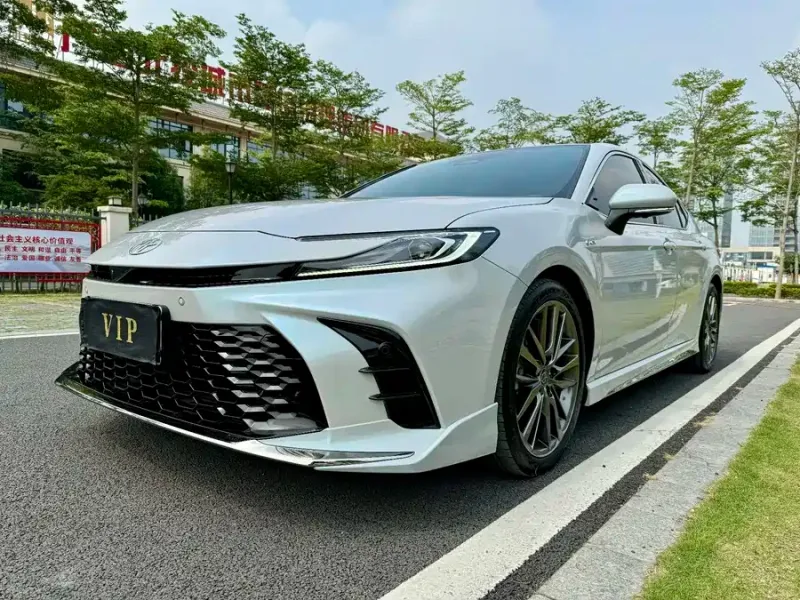
Connect original identity material, production context, quotation and latest media to the same offered car. The period review separates production from registration and model references. A current presentation or photographs of another unit should not supply missing equipment or history for the candidate being priced, even when its appearance seems closely similar.
Retain a clear current record when evidence, amount or the proposed unit changes. Attractive images become useful only when the buyer knows what they depict. A familiar colour, generation or translated tier cannot automatically preserve acceptance across substitutions, and unresolved fields should stay visible rather than being filled through an assumption that all similar Camrys provide the same supported proposition.
Record the actual essentials and configuration
The equipment framework ties required functions to applicable original records. Keep must-have methods, status requirements and flexible preferences separate. A long list of extras should not obscure one unavailable essential or turn a general catalogue description into proof that the actual China candidate includes every function shown in an overseas reference.
If the buyer accepts a different method, preserve the change in ordinary language alongside its supporting evidence. Interest in several versions is not unrestricted approval of any substitute. Another colleague should be able to explain why this particular unit meets the brief without reconstructing the entire conversation or treating a higher package label as a complete statement about all wanted hardware and continuing services.
Keep history separate from current findings
The maintenance timeline review retains actual completed work and supported periods. Relevant qualified findings should identify scope, methods and limitations; a clean cabin or ordinary display view cannot replace assessment of a reported concern that needs examination unavailable through those images. Keep positive evidence useful within its actual represented task rather than expanding it into full vehicle approval.
For a hybrid candidate, the battery evidence guide distinguishes method-based findings from display estimates. Retain unassessed areas and outstanding questions beside favourable observations. A persuasive package or amount cannot supply missing records, and several limited demonstrations should not merge silently into a blanket complete-condition conclusion unsupported by the actual material provided for this unit.
Request demonstrations that answer the brief
Identify the phone, seat and parking methods that matter, then ask for relevant ordinary response with setup clear. The phone task review keeps installed head-unit identity and requested operation separate from similar-looking interfaces. A seller's working setup may leave receiving-user questions unanswered, while repeated attractive clips avoiding the actual request add little useful evidence.
For passenger fit, retain the people and simultaneous positions represented. The rear journey decision identifies a personal question remote media may not fully settle. Do not promise universal comfort from an empty cabin or use incompatible front settings to approve several users. Keep needed bags and any accepted personal limitation connected to the task that actually influenced the selection.
Reconcile the latest amount and completed scope
The commercial review aligns currency, preparation, supplied items and handover stage. Retain revisions and distinguish completed work from future promises. Earlier media may remain valid historical observations without describing the car after preparation, so request relevant updated evidence for the accepted final deliverable rather than approving a hypothetical result from the initial photographs.
The handover record connects the selected reference, findings and supplied items. A small amount change should not silently authorise another condition or specification. The final file should state what is ready, what needs further action and which limitation the buyer accepts, instead of treating an attractive revised total as a substitute for the evidence required by the original sourcing brief.
Another car appears at the same price
Suppose the first candidate's file is nearly complete but the seller offers a replacement at the same headline amount. Preserve the useful requirements while opening the actual identity, configuration and condition review for the new unit. The unchanged amount does not establish equivalent supplied items, completed work or supported functions, even when the two cars appear very similar.
The multi-car order decision keeps this review per unit when several are proposed. Record the accepted replacement only after relevant evidence and scope are reconciled. Remote approval should remain traceable to the vehicle actually reviewed rather than migrating automatically through the same package name, model badge or general seller assurance about all available stock.
Questions buyers ask
Is more media always better evidence?
No. Useful evidence consistently identifies the car and answers the actual brief.
Can the same price automatically approve a substitute?
No. Recheck its configuration, current findings and final supplied scope.
Model references: GAC Toyota Camry (China), China configuration sheet (PDF), and Toyota’s US 2025 Camry brochure (PDF). Market-specific information must be matched to the offered vehicle.