
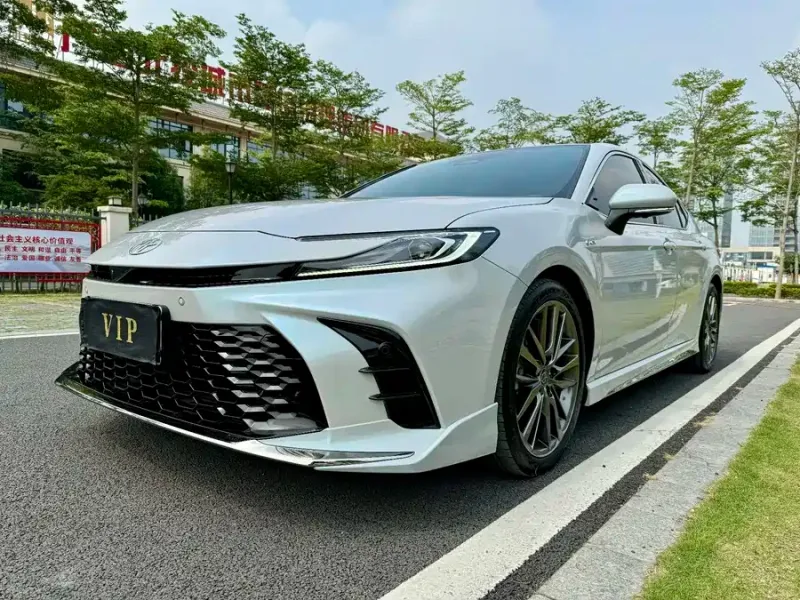
TAKE INTO YOUR BUYING BRIEF
Choose the next action
| Finding or requirement | Purchase response |
|---|---|
| Accord application is unclear | Identify its actual system and market before comparing operating routines. |
| Demonstrations use different tasks | Use consistent occupants, bags and essential functions on both cars. |
| Headline amounts appear equal | Align current condition, completed preparation and transfer scope. |
Identify the actual Accord and Camry
Keep original designation, production context and installed application for each offered car. The Camry identity timeline supports the Camry proposal; the Accord needs its own applicable records. Do not combine regional specifications or assume matching advertised years establish the same market, powertrain or equipment in both candidates.
Attach each quotation, media set and relevant finding to a stable reference. An Accord family can be described through several propositions, so generic name recognition is not enough to approve the mechanical combination. Keep unresolved fields visible rather than assembling one favourable specification from different announcements and allowing its attractive features to describe the unit being priced.
Keep hybrid wording precise
The Camry powertrain review retains the actual system separately from badge appeal. Identify the Accord's own application before discussing replenishment or support. Do not assume that every electrified version has the same charging arrangement, operating routine or service questions merely because a seller translates its name as hybrid.
Write the customer's actual ordinary use and apply it independently to both cars. Fuel records and reference figures need their own basis; unlike measurements cannot establish a universal economy ranking. If a proposed application changes the buyer's intended routine, retain that change explicitly instead of treating an appealing reference-distance claim as approval of a different system.
Compare one passenger and baggage task
The Camry passenger framework records normal front positions, actual occupants and useful equipment. Use the same task on the Accord candidate rather than interpreting exterior styling as a comfort result. A representative observation can answer some practical questions while leaving personal fit for the actual user unresolved.
Keep the regular luggage and required occupied places together. Different bag sets or folded arrangements cannot prove equal usefulness. The airport assignment decision helps clarify a recurring combined task when relevant. An empty-cabin photograph should not compensate for missing evidence about entry, seated position or the buyer's actual cases and normal loading movement.
Test the functions the customer needs
Identify essential phone, parking and seat methods, then obtain relevant ordinary responses on each actual car. Similar screen layouts or translated package tiers do not establish identical equipment. The camera premium review separates a useful view from a general technology description and keeps physical parking suitability independent.
Retain receiving-user setup and relevant provider answers instead of expanding one seller-account demonstration into unrestricted access. A working function can be useful within its scope while another remains unconfirmed. If the customer accepts an alternative method, record that decision; unrelated extras should not silently make up for a missing daily requirement that influenced the original shortlist.
Align condition and the commercial result
Used candidates need their own relevant histories and appropriate current findings; new proposals need supported status and pre-delivery scope. Do not use brand familiarity or one successful demonstration as complete vehicle approval. Keep known concerns and the responsible provider's supported remedy separate from a promised future preparation result.
The quotation comparison aligns currency, included work, supplied items and transfer stage. Avoid universal reliability, repair-cost or resale predictions based on the model names. Explain the actual benefit or concession that determines selection, so a lower initial amount is evaluated as a defined deliverable rather than assumed equivalent value before condition and preparation are reconciled.
One buyer accepts either if the daily task works
Suppose the customer is open to Camry or Accord if the regular occupants, phone method and operating routine are supported. Establish the actual applications, then request comparable practical evidence. A cheaper unidentified proposal is not yet equivalent to a candidate with a clear configuration, relevant findings and agreed scope.
If both fulfil essentials, record which supported additional benefit matters and why. The Teana comparison is another independent alternative, not permission to substitute any sedan. A changed Accord or Camry unit needs its own identity and affected task review rather than inheriting findings from the first car whose attractive media entered the shortlist.
Questions buyers ask
Can a hybrid label establish equivalent systems?
No. Identify the actual applications and their operating and support requirements.
Is either model automatically better for every dealer?
No. The customer's brief and individual offer evidence determine the useful choice.
Relevant references: GAC Honda: China Accord configuration context; verify the offered application and period. References describe their stated market or technology; verify the offered vehicle separately.